
Protecting Your Vision Through Comprehensive Eye Exams
Eye exams are the cornerstone of maintaining healthy eyes and vision. Not only can eye exams detect signs of eye disease, but they can also detect signs of systemic health conditions such as diabetes, high blood pressure, and cardiovascular disease.
Our optometrists work closely with you to monitor your eye health and visual comfort. We focus on protecting your overall health through comprehensive screenings, early diagnosis, and preventive advice.
Our team is also skilled at providing recommendations and customized eyewear to improve your vision and make it more comfortable. Whether you are experiencing vision problems or just need a routine exam, we’re here to make the process smooth.
Ready for your next eye exam? Book your appointment today.
How Often Should I Get an Eye Exam?
Once a year is our recommendation!
Even adults without vision or eye health concerns should have an annual eye exam. That’s because many eye diseases and sight-threatening conditions can begin without noticeable symptoms.
Annual eye exams allow us to monitor your eyes and make sure they’re healthy. It also allows us to build a baseline of what healthy vision is for you, making it easier to detect future changes.
This is especially important for people who wear glasses and/or contact lenses, are taking medications with vision-related side effects, have a family history of eye disease, have diabetes or high blood pressure, or have experienced a previous eye surgery or injury.
What Happens During an Eye Exam?
When you arrive at our office, our friendly team will check you in. We will direct you to fill out certain forms before your appointment. You can submit them online, fax them to our office, or drop them off at least 24 hours before your appointment.
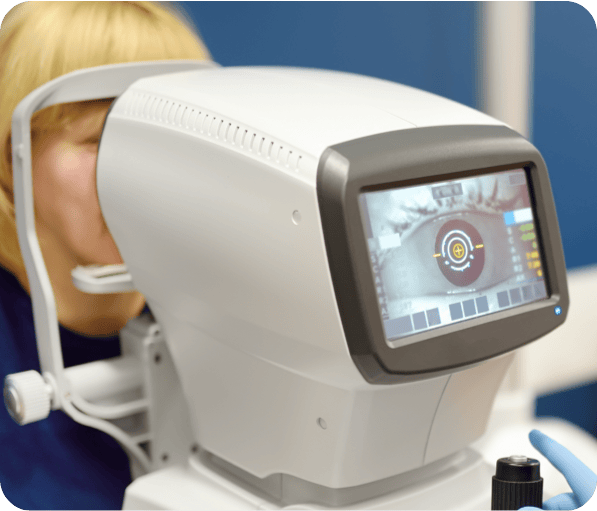
With your forms taken care of, you can relax after checking in. Shortly, one of our optometric technicians will bring you back for pre-testing. This part of your exam includes diagnostic tests and imaging, such as taking photos of the inside of your eye and checking your intraocular pressure. These tests allow us to monitor your eye health and vision.
In most cases, we recommend having the Optos retinal imaging test completed, as this camera can capture an ultrawide-field view of the inside of your eye, showing up to 80% of your retina. If you decide to forego Optos, or you have a systemic health condition such as diabetes, we will likely recommend a dilated eye exam.
Dilation involves administering special eye drops that widen your pupils. Once your pupils have been fully dilated, your optometrist will examine your eyes using a slit lamp microscope. After dilation, your eyes may be a little blurry and sensitive to light. We recommend bringing a pair of sunglasses and planning not to drive immediately after your exam.
Once pre-testing is complete, you’ll meet with your optometrist. Your eye doctor will review the results of your pre-test with you, including showing you any images and scans of your eyes. Then, they will evaluate your eye health, check your tear film, and measure your prescription.
Common Vision Conditions We Monitor
As our practice focuses on preventive eye care, we test more than your visual acuity (how well you can see at a distance). We also assess your visual comfort and check for signs of common vision or health issues, like presbyopia, eye strain, dry eye, and eye diseases.
This assessment includes a physical evaluation of your eyes as well as a discussion with you about your visual comfort and any concerns you may have. We take time to address any of your questions and recommend solutions based on your experiences.
Presbyopia is an eye condition that commonly affects individuals between the ages of 40 and 50. This age-related farsightedness can make it difficult to see near objects and can make reading or using your phone more difficult.Presbyopia correction is easy to integrate into your glasses or contact lens prescription, through progressive or multifocal lenses.
Digital eye strain, also called computer vision syndrome, is a common problem related to extended digital device usage. Digital eye strain can cause headaches, neck or shoulder tension, and dry, tired eyes after prolonged periods in front of a screen.
If you’re experiencing digital eye strain, we can discuss eyewear options to help enhance your daily comfort.
Dry eye is a common, chronic condition that affects many Americans. It is the result of an imbalance in the tear film, either due to poor tear production or to tears lacking the proper chemical composition. Dry eye may cause scratchy, gritty, or stinging sensations.
Dry eye has a variety of causes that require different treatments. Our practice provides thorough evaluations and customized treatment plans for dry eye.
Many eye diseases begin without noticeable symptoms, such as glaucoma, macular degeneration, and diabetic retinopathy. We use our diagnostic technology to screen for eye diseases.
By monitoring your eye health through routine exams, we can track any changes to your vision or internal eye structures. This helps us to detect diseases before symptoms occur, providing more treatment options and better outcomes.
Take a Proactive Stance on Your Healthcare
Proper eye care is important for people of all ages, and regular eye exams are encouraged for everyone, but especially for those already using glasses or contact lenses.
Your vision plays a vital role in your life every day, which is why it is so important to take the right steps to maintain good eye health. At Cary Family Eye Care, we focus on helping you maintain your eye health through annual, preventive eye exams and regular monitoring.
If it’s been more than 12 months since your last eye exam, book your appointment today.
Visit Our Location
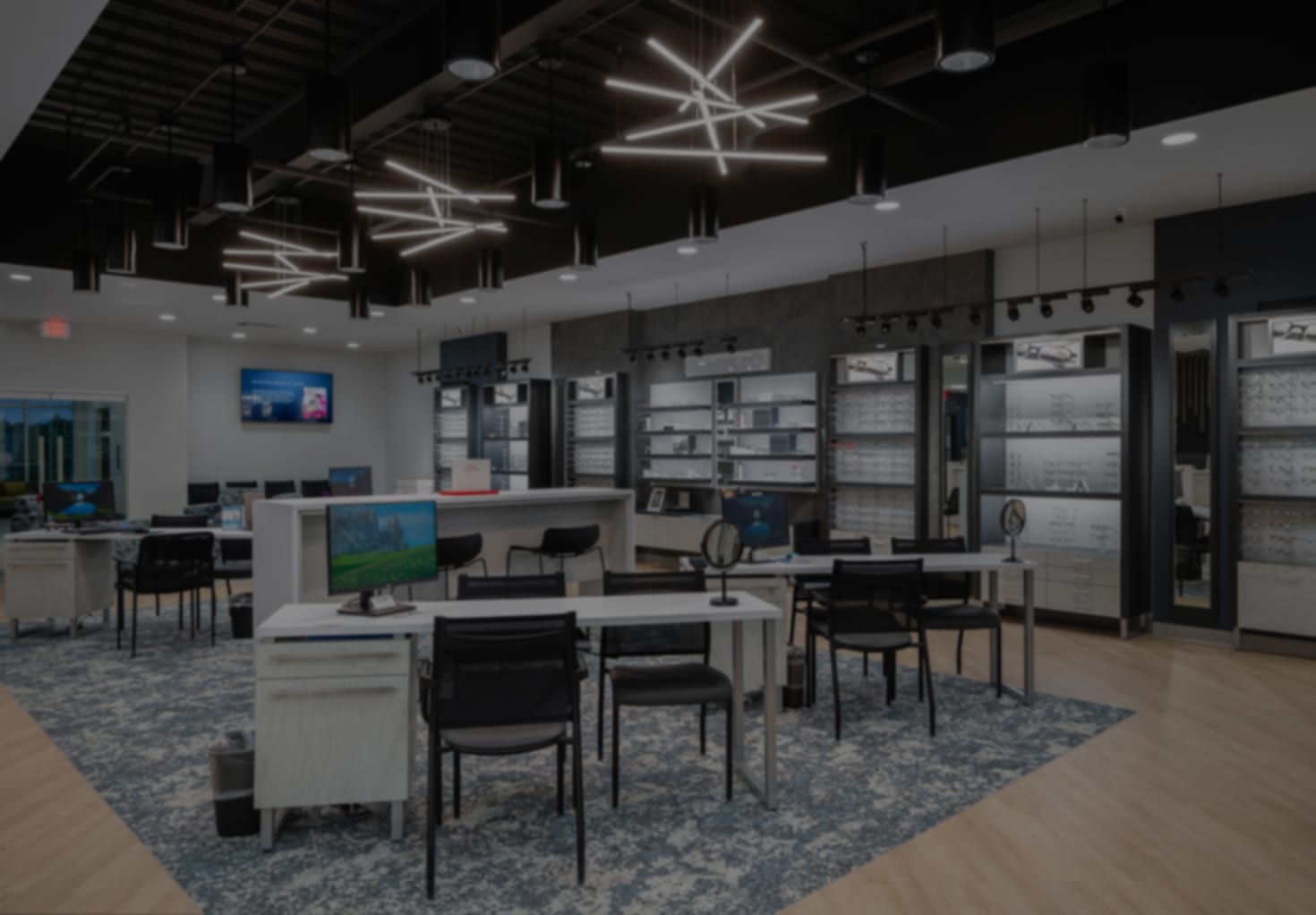
Find us on the corner of Carpenter Fire Station Road and Cary Glen Boulevard. Parking is available in the lot behind the medical office building.
Our Address
Contact Information
- Phone: 919-465-7400
- Fax: 919-465-7455
- Email: info@caryfamilyeyecare.com
Hours of Operation
* Closed for lunch from 12:00 PM – 1:00 PM, Mondays through Thursdays