Protect Your Child’s Vision and Health with Myopia Control
The goal of our myopia control clinic is to help children have healthier eyes for a lifetime. We accomplish this by slowing the progression of myopia (nearsightedness) in children over time.
High myopia leads to an increased risk of glaucoma, cataract, retinal detachment, and myopic degeneration. Currently, about 40% of American children have myopia, and it’s expected that half of the world’s population will be nearsighted by 2050.
Fortunately, you do not have to just watch your child continue to become more nearsighted. We now have the technology to slow this progression and, in some cases, stop it altogether.
Dr. Dwight Barnes is extremely dedicated to fighting the myopia epidemic and is recognized as an expert in the field of Myopia Control. To book your child’s appointment with us, please request a time online or contact our Myopia Control Clinic at mcc@caryfamilyeyecare.com.
What Is Progressive Myopia?
Myopia, also known as nearsightedness, is a condition that affects the ability to see clearly at a distance. It occurs when the eye focuses light in front of the retina, rather than directly on it, as is necessary for clear vision.
It can be caused by the shape of the cornea or the length of the eye. When myopia develops in childhood, it is usually progressive, meaning it worsens over time. Typically, childhood myopia is caused by the eye growing too long and too quickly. This leads to an increased risk of eye diseases such as glaucoma, cataracts, retinal detachment, and myopic degeneration.
What Causes Myopia?
While the exact cause of myopia is still unknown, there are several risk factors associated with an increased likelihood of developing childhood myopia. These include:
- Genetics: There is a 25% chance that a child will develop myopia if one parent is nearsighted, and a 50% chance if both parents have myopia.
- Screen time: Extended screen time is associated with an increased risk of developing myopia. The American Academy of Pediatrics recommends that children under 2 receive no screen time, and children between the ages of 2 and 5 are limited to 1 hour per day.
- Lack of outdoor time: Time spent outdoors can help slow myopia progression and may decrease new myopia onset by 50%. The American Optometric Association recommends between 1 and 3 hours of outdoor activity per day.
What Are the First Signs of Myopia?
Vision problems in children are not always evident. Taking your child for annual eye exams is an important part of their preventive healthcare and can help catch myopia in its early stages.
Other signs you can watch out for at home include:
- Frequent squinting
- Sitting too close to screens
- Holding books too close to their face
- Excessive blinking or eye rubbing
- Tilting their head to see
- Difficulty in school
- Poor performance in sports
- Complaints of headaches
If you notice any of these signs in your child, book an appointment with our optometrists for an eye exam.
Why Does Myopia Control Matter?
Dr. Dwight Barnes discusses how myopia control can improve your child’s quality of life by slowing changes to their prescription and preserving eye health.
How We Manage Myopia in Children
Myopia management begins with detection. Beyond checking your child’s prescription and measuring their refractive error (how nearsighted they are), we also use the OCULUS Myopia MasterⓇ device to measure and track their axial length.
Axial length is a measurement of the eye from front to back. By measuring and tracking your child’s eye length compared to the expected growth rate for their age, we can detect signs of myopia before their eyesight has been affected. We also use axial length to track treatment progress.
Once your child has been diagnosed with myopia, our team will work closely with you and your child to determine the right treatment option. This may include specialized eyewear like contact lenses, glasses, or ortho-k lenses, or low-dose atropine eye drops.
We carry a variety of daily disposable myopia control contact lenses and soft multifocal contact lenses. Both styles of contact lenses include multiple powers (prescriptions) that help to correct your child’s nearsightedness for clear vision while signaling to the eye to slow growth.
Contact lenses can be a great option for active kids and teens who prefer not to wear glasses.
We carry Stellest spectacle lenses by Essilor for myopia control. These glasses lenses have a central vision area to correct nearsightedness and outer treatment rings that slow myopia progression by 71% on average, compared to single-vision lenses.
Stellest lenses can be cut to fit the frames of your child’s choice.
Ortho-k lenses are worn overnight. They gently reshape the cornea while your child sleeps, allowing them to go lens-free throughout the day. Ortho-k lenses have been shown to slow myopia progression by about 50%. These lenses offer a great option for active kids and teens, especially those who participate in water sports like swimming or water polo.
To learn more about ortho-k lenses, check out our Overnight Sight program.
Atropine is used to dilate, or widen, the pupils. Low-dose atropine eye drops have been shown to be an effective form of myopia control in children. The eye drops are administered at night, before bed.
Atropine eye drops may be prescribed as a standalone treatment or in combination with specialty eyewear as listed above.
Proactive Treatment Is Essential for Myopia
Myopia cannot be reversed, meaning once your child’s vision has worsened, their prescription and eye length cannot be modified. And while nearsighted children can explore laser vision correction surgery when they are adults, this procedure does not lessen their risk of serious eye diseases.
The most effective way to protect your child’s eyesight and health is through proactive treatment and management. Through myopia control, we can slow the changes to your child’s prescription, decrease rapid eye growth, and help their eyes stabilize at a lower prescription. The earlier we begin myopia control, the more effective it can be for your child.
Book your child’s appointment today, or contact us at mcc@caryfamilyeyecare.com with any questions.
Myopia Quiz
Visit Our Location
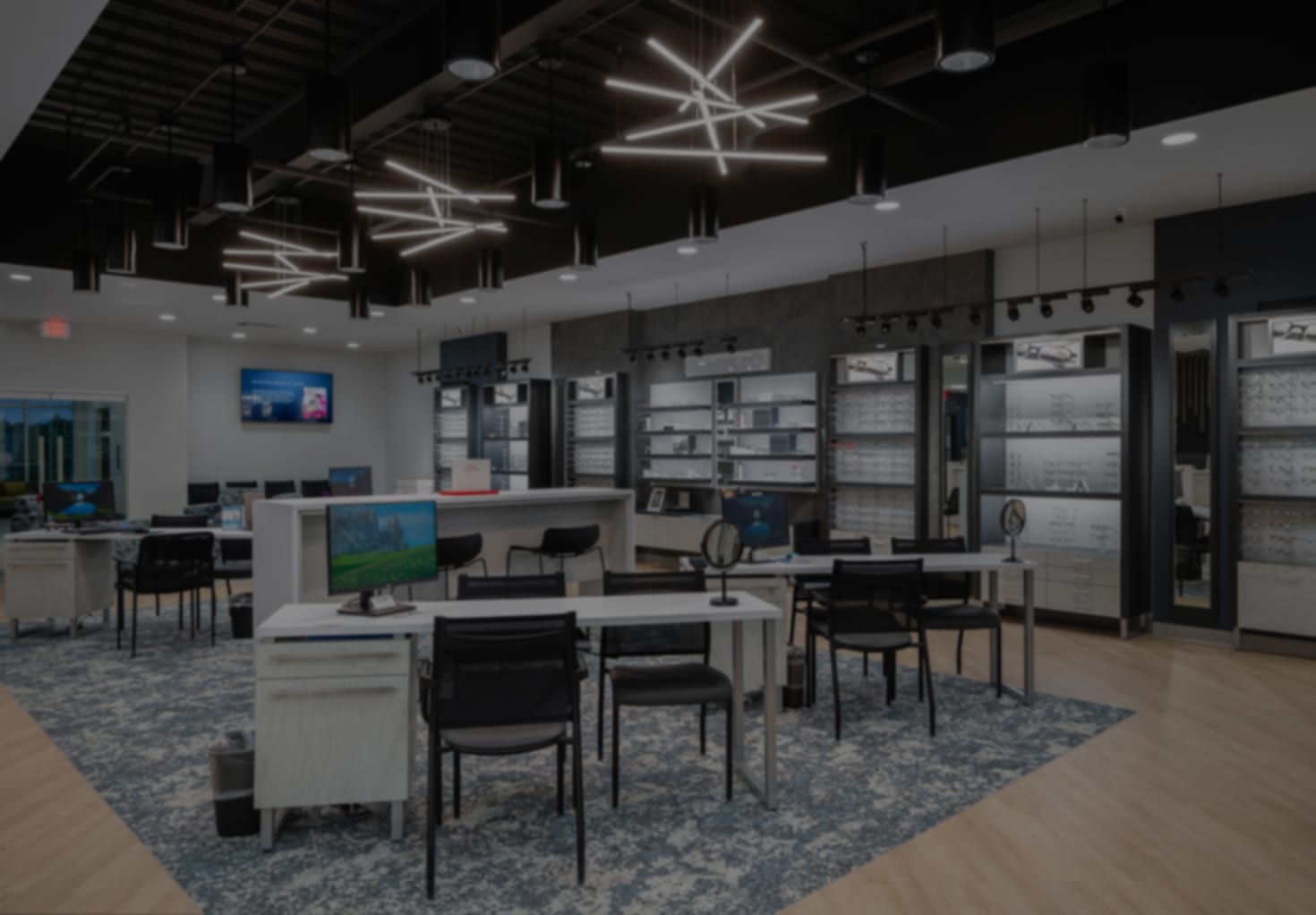
Find us on the corner of Carpenter Fire Station Road and Cary Glen Boulevard. Parking is available in the lot behind the medical office building.
Our Address
Contact Information
- Phone: 919-465-7400
- Fax: 919-465-7455
- Email: info@caryfamilyeyecare.com
Hours of Operation
* Closed for lunch from 12:00 PM – 1:00 PM, Mondays through Thursdays