Preventive Eye Care Begins in Infancy
Visual development begins at birth and makes significant progress throughout infancy and into childhood. In fact, eye and vision problems that develop in babies can cause developmental delays as your child grows if left untreated.
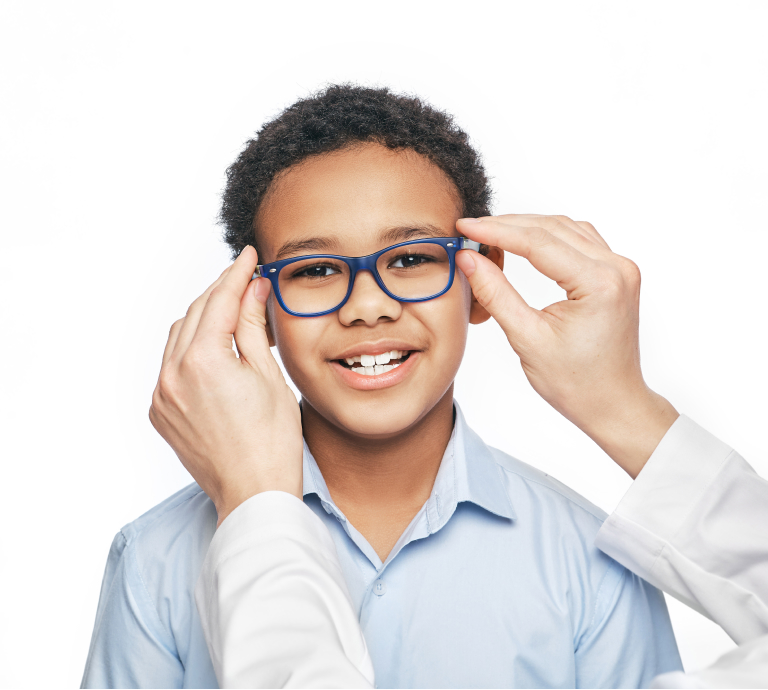
At Cary Family Eye Care, we begin seeing children during infancy and continue offering comprehensive vision care throughout their lives. Our optometrists are patient and experienced in working with children, and can help them feel at ease during their appointment.
Not all vision problems in children have obvious symptoms. We recommend bringing your child in for a comprehensive eye exam regularly so our eye doctors can monitor their visual development and eye health.
Book your child’s appointment today.
When Does My Child Need an Eye Exam?
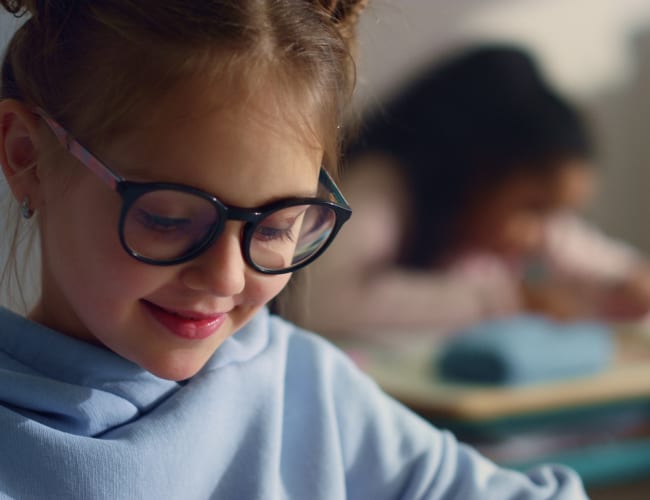
Children need regular eye exams beginning in infancy to make sure their visual development and eyesight are progressing as expected. Undiagnosed vision problems can lead to struggles in school and symptoms like headaches, motion sickness, and poor hand-eye coordination.
We recommend that children have their first eye exam around 6 months of age. Following this exam, they should return for a second eye exam between 2 and 5 years old, if no eye or vision problems are apparent. At 6 years old or once they begin kindergarten, children should have a comprehensive eye exam at least once a year.
Our “Littles” Eye Exams
Our “littles” appointments are designed specifically for our youngest patients, ages 6 and under. These visits can sometimes take a little more time, as our team uses patience and compassion to assist with children who may be nervous, shy, or unfamiliar with the process.
Our “little” eye exams are usually booked with Dr. Logan, who completed a residency in Pediatric Optometry and loves working with children. She helps guide kids through the eye exam process, from imaging to assessing their prescription. She also has experience in vision therapy, which allows her to test for and diagnose visual development concerns in children.
We recommend Optos retinal imaging to be completed for all our children’s exams, as it is simpler and more comfortable than dilation. This imaging test allows us to see up to 80% of their retina (the inner layer of their eye), to monitor their eye health.
Eye Exams for Preteens and Teenagers
For children ages 7 and older, we provide eye exams similar to our adult eye exams, with additional time taken to make sure your child feels comfortable throughout the process.
We’ll check for common vision problems like myopia (nearsightedness), hyperopia (farsightedness), astigmatism, amblyopia (lazy eye), and strabismus (crossed eyes). Identifying these problems early can help us to correct them and provide an adequate prescription to support your child’s learning and development.
Additionally, we provide age-appropriate education for you and your child, giving tips and recommendations on how they can support their visual development and eye health. We can also explain each step of the eye exam in terms your child can understand, meeting them where they’re at.
How Vision Affects Learning
Vision plays a vital role in your child’s learning and development. They need vision, whether they are learning to catch a ball or copying letters or sentences from the whiteboard. Healthy visual development powers learning and supports success in academics, sports, and beyond.
If your child has an untreated vision problem, such as nearsightedness or a lazy eye, they may experience a variety of symptoms, some of which may seem unrelated to vision, such as headaches, motion sickness, and poor coordination.
As well, it’s not uncommon for a child with a vision problem to have difficulty focusing and maintaining their attention, which can result in a misdiagnosis of ADHD or other conditions.
Routine, comprehensive eye exams that check how well your child sees and how well they can perform visual skills like focusing, tracking, and coordinating eye movements can help support your child’s visual comfort and their continuous development throughout childhood.
Protect Your Child’s Eyesight for the Future
Many developmental vision problems, such as myopia, amblyopia, and strabismus, do not get better on their own. Children with these visual issues require specific treatments, such as corrective lenses, myopia control, and vision therapy, to correct their vision and prevent uncomfortable symptoms or worsening of their condition.
Children often struggle to express visual problems, as they lack an understanding of what clear vision should look like. They may believe that everyone sees the same way they do. As a result, routine eye exams are the most effective way to monitor for vision problems.
Additionally, you can watch out for these signs and behaviors at home that may indicate a vision problem:
- Squinting
- Closes or covers one eye to see
- Frequent eye rubbing
- Holds things close to their face, such as books or tablets
- Frequent complaints about headaches or tired eyes
- Poor attention span
- Difficulty learning to read or poor reading comprehension
If you notice any of these signs in your child, don’t wait until they are due for their next exam. Bring them in for an eye exam right away so we can address any vision problems and set them up for success.
Visit Our Location
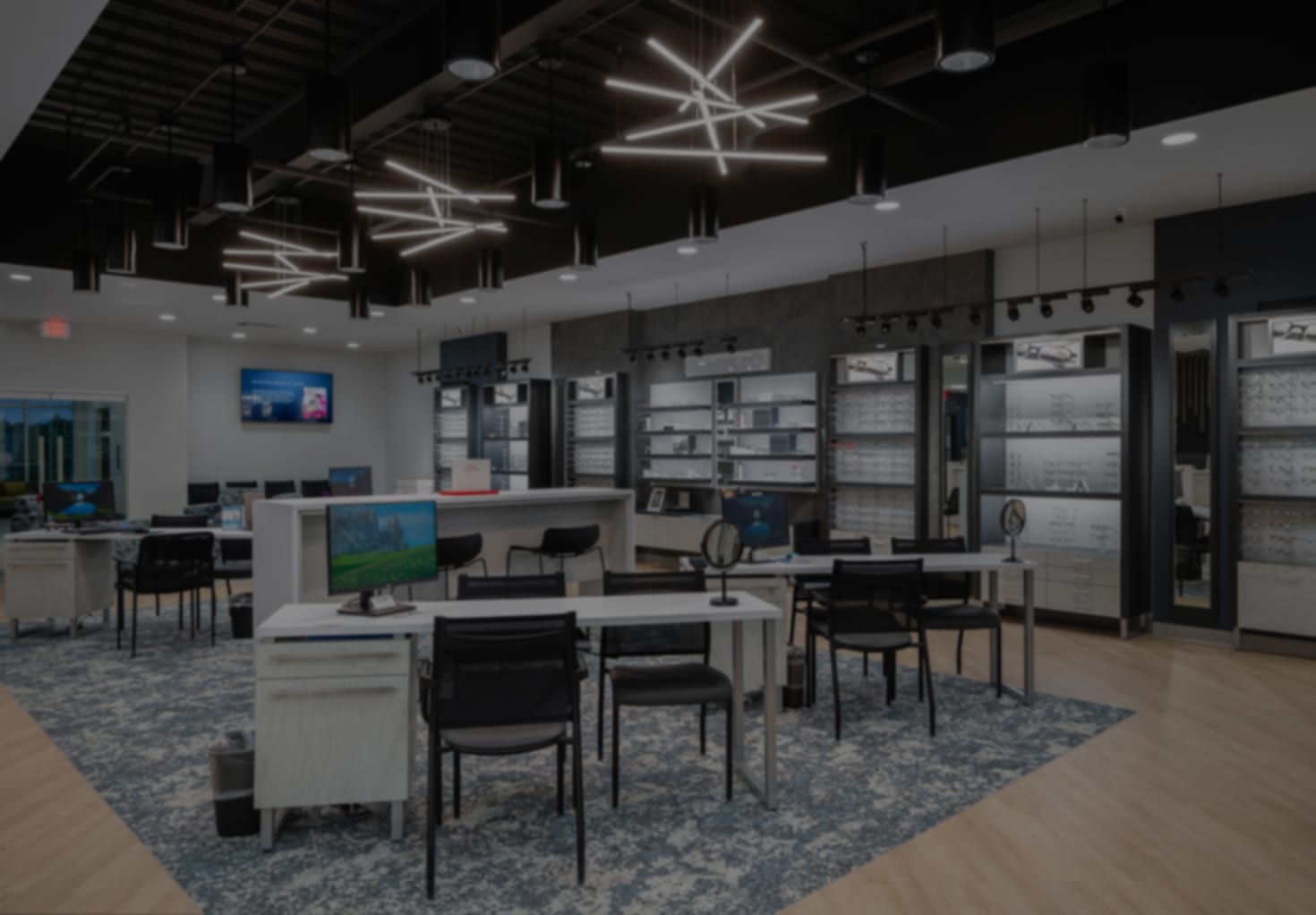
Find us on the corner of Carpenter Fire Station Road and Cary Glen Boulevard. Parking is available in the lot behind the medical office building.
Our Address
Contact Information
- Phone: 919-465-7400
- Fax: 919-465-7455
- Email: info@caryfamilyeyecare.com
Hours of Operation
* Closed for lunch from 12:00 PM – 1:00 PM, Mondays through Thursdays